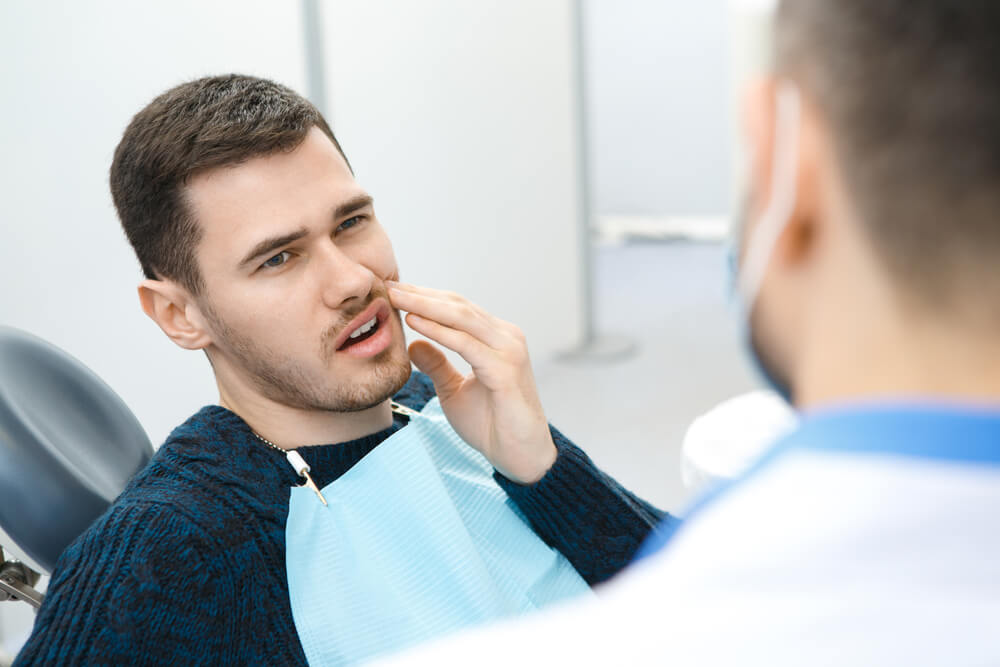
In Leonardtown, MD, tooth nerve pain can be one of the most intense types of dental discomfort. Many patients describe it as a sharp, throbbing, or lingering pain that seems to come from deep inside the tooth.
This type of pain is often a sign that the inner structures of the tooth, particularly the dental pulp and nerves, have become irritated, inflamed, or infected. Understanding what tooth nerve pain means and how it can be treated is essential for protecting your oral health and preventing more serious dental problems.
What Causes Tooth Nerve Pain in Leonardtown, MD?
Inside every tooth is a soft tissue called the pulp, which contains nerves and blood vessels. When this area becomes irritated or infected, the nerves send pain signals to alert you that something is wrong.
Common causes of tooth nerve pain include:
- Deep tooth decay – When a cavity penetrates the enamel and dentin layers, it can eventually reach the pulp. Bacteria entering this area can cause inflammation and significant pain.
- Cracked or damaged teeth – A fracture in the tooth can expose the nerve or allow bacteria to enter the pulp chamber.
- Dental infections or abscesses – Untreated cavities or abscesses can lead to infections that affect the nerve tissue.
- Gum recession – When gums pull away from the teeth, the sensitive root surfaces may become exposed, leading to nerve sensitivity.
- Recent dental procedures – Some patients may experience temporary nerve sensitivity following fillings, crowns, or other dental treatments.
If the pain persists for more than a day or two, it is important to have the tooth evaluated by a dental professional.
Symptoms That May Indicate Nerve Damage
Tooth nerve pain in Leonardtown, MD, can present in several ways depending on the underlying cause. Some symptoms to watch for include:
- Sharp or shooting pain when chewing
- Lingering sensitivity to hot or cold foods
- Throbbing or pulsating tooth pain
- Swelling around the affected tooth
- Pain that radiates to the jaw, ear, or head
- Discoloration of the tooth
In some cases, the pain may come and go, however, this does not mean the problem has resolved. Often, intermittent pain can signal that nerve damage is progressing.
How Tooth Nerve Pain Is Diagnosed
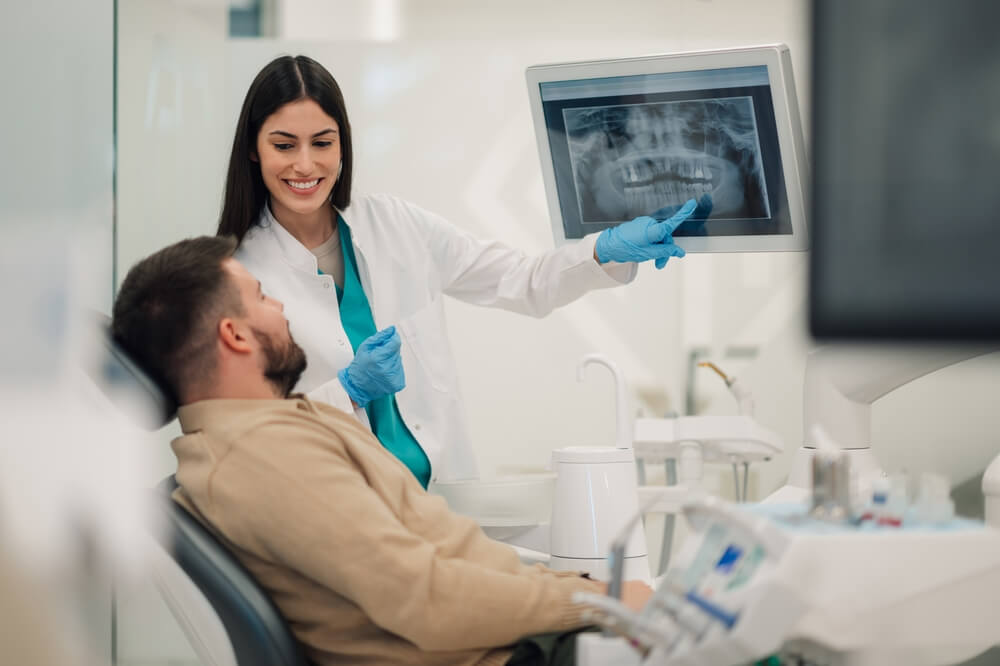
A dentist will typically begin by performing a thorough examination of the tooth and surrounding tissues. Diagnostic methods may include:
- Digital dental X-rays
- Temperature sensitivity testing
- Bite tests
- Visual examination for cracks or decay
These tools help determine whether the nerve is inflamed, infected, or permanently damaged.
Treatment Options in Leonardtown, Maryland
Treatment for tooth nerve pain depends on the severity of the problem.
- Dental Filling: If the nerve irritation is caused by early tooth decay, removing the cavity and placing a dental filling may resolve the pain.
- Root Canal Therapy: When the pulp becomes infected or severely inflamed, a root canal may be necessary. This procedure removes the damaged nerve tissue, cleans the inside of the tooth, and seals it to prevent future infection. Root canal treatment is often the most effective way to save a natural tooth that would otherwise need to be extracted.
- Dental Crown: After a root canal or in cases where a tooth has significant structural damage, a crown may be placed to restore strength and function.
- Tooth Extraction: If the tooth cannot be saved due to extensive damage or infection, extraction may be recommended. The missing tooth can later be replaced with options such as dental implants or bridges.
Eliminate Tooth Nerve Pain in Leonardtown, MD, With the Help of Dr. Luke
If you are dealing with tooth nerve pain or other dental concerns, professional evaluation and treatment can help restore comfort and prevent further damage.
At Southern Maryland Family & Prosthodontic Dentistry, our doctors provide comprehensive dental care for patients throughout the region.
Request an appointment online or give us a call us at (301) 880-4439 to speak with a member of our staff and receive expert evaluation and treatment.
A tooth abscess is a painful dental condition that requires prompt professional care. If left untreated, the infection can spread to surrounding tissues and potentially lead to serious health complications.
Understanding the symptoms and causes of a tooth abscess in St. Mary’s County, MD can help you recognize the problem early and seek the right treatment.
What Exactly is a Tooth Abscess in St. Mary’s County, MD?
A tooth abscess is a pocket of pus caused by a bacterial infection. It usually develops when bacteria enter the inner portion of the tooth (the pulp), where nerves and blood vessels are located.
There are several types of dental abscesses:
- Periapical abscess – forms at the tip of the tooth root
- Periodontal abscess – occurs in the gums next to the tooth root
- Gingival abscess – develops in the gum tissue without affecting the tooth root
Regardless of the type, a dental abscess requires evaluation by a dentist as soon as possible to prevent worsening infection.
Common Symptoms of a Tooth Abscess
Symptoms can range from mild discomfort to severe pain depending on the severity of the infection. Some people notice sudden symptoms, while others experience gradual changes.
Typical warning signs include:
- Persistent, throbbing tooth pain
- Sensitivity to hot or cold foods and drinks
- Swelling in the gums or face
- A small bump or pimple on the gum near the affected tooth
- Bad taste in the mouth due to drainage
- Fever or general feeling of illness
- Pain when chewing or biting
If swelling spreads to the face or neck, or if difficulty swallowing or breathing occurs, it is considered a dental emergency and requires immediate care.
Tooth Abscess in St. Mary’s County, MD: Understanding Symptoms & Causes
Tooth abscesses occur when bacteria invade the tooth or gum tissue. Several dental issues can increase the risk of infection.
Cavities from untreated tooth decay can progress deep into the tooth causing bacteria to reach the pulp, leading to infection and abscess formation. Also, advanced gum disease can create pockets between the gums and teeth where bacteria accumulate and cause infection.
Additionally, crack or chip in a tooth may allow bacteria to enter the inner structure of the tooth, even if the damage appears small. Inconsistent brushing, flossing, and dental visits can also allow plaque and bacteria to build up, increasing the risk of infection.
Why Prompt Treatment Is Important
A tooth abscess does not go away on its own. Without treatment, the infection can spread beyond the tooth and gums to nearby tissues, the jawbone, or other parts of the body.
Treatment options may include:
- Drainage of the abscess to remove infection
- Root canal therapy to eliminate bacteria inside the tooth
- Antibiotics to control infection in certain cases
- Tooth extraction if the tooth cannot be saved
A dentist will evaluate the severity of the infection and recommend the best treatment plan to relieve pain and restore oral health.
Preventing Dental Infections
While not all abscesses can be prevented, good oral hygiene and routine dental care significantly reduce the risk.
Helpful prevention strategies include:
- Brushing twice daily with fluoride toothpaste
- Flossing every day
- Limiting sugary foods and beverages
- Scheduling regular dental checkups and cleanings
- Seeking treatment early for tooth pain or cavities
Preventive care allows dentists to identify small problems before they develop into serious infections.
Schedule Dental Care for a Tooth Abscess in St. Mary’s County, Maryland
If you are experiencing symptoms of a tooth abscess in St. Mary’s County, MD, professional care is essential. Early treatment can relieve pain, eliminate infection, and protect your long-term dental health.
At Southern Maryland Family and Prosthodontic Dentistry, our doctors provide patients with comprehensive dental care designed to diagnose infections quickly and protect long-term oral health.
Request an appointment online or give us a call us at (301) 880-4439 to speak with a member of our staff and receive expert evaluation and treatment.
A severe toothache in St. Mary’s County, Maryland, is not the kind of pain you ignore and hope magically disappears. A true toothache can stop you mid-sentence, interrupt your sleep and make even soft foods feel impossible to chew. While occasional sensitivity may be harmless, intense or persistent pain is your body’s way of signaling that something deeper is wrong.
The key is knowing what to do next so the problem does not escalate.
Step One: Do Not Panic, But Do Act Quickly
A severe toothache in St. Mary’s County, Maryland is often caused by infection, deep decay, a cracked tooth or advanced gum disease. While the discomfort can feel overwhelming, immediate action helps prevent complications.
Rinse your mouth gently with warm salt water to reduce bacteria and inflammation. You may take over-the-counter pain relievers as directed, but avoid placing aspirin directly on the gums. That old myth can irritate tissue and make matters worse.
Temporary relief is helpful, but it is not a solution.
Step Two: Watch for Warning Signs
Not all toothaches are equal. Certain symptoms suggest a more serious issue requiring urgent evaluation.
- Throbbing pain that radiates: Discomfort spreading to the jaw, ear or neck.
- Swelling of the face or gums: Visible inflammation around the tooth.
- Fever or fatigue: Signs the body is fighting infection.
- Sensitivity that lingers: Pain that continues after hot or cold exposure.
If any of these accompany your toothache, do not delay professional care.
Step Three: Avoid Common Mistakes
When dealing with a Severe Toothache in St. Mary’s County, Maryland, some well-meaning home remedies can cause additional harm. Avoid applying heat to the outside of your face, as warmth may increase swelling if infection is present. Do not chew on the affected side, and skip extremely hot, cold or sugary foods that can intensify pain.
Trying to “wait it out” is another common mistake. Dental pain rarely resolves without addressing the underlying cause.
Step Four: Schedule a Dental Evaluation
A comprehensive exam identifies whether you are dealing with an abscess, nerve inflammation, cracked tooth or another issue entirely. Diagnostic imaging may be necessary to determine the extent of the problem.
Treatment could include a filling, crown, root canal therapy or, in severe cases, extraction. The goal is to eliminate infection, relieve pain and preserve your oral health long term.
What Could Be Causing the Pain?
A Severe Toothache in St. Mary’s County, Maryland can stem from several underlying dental conditions. One common cause is deep decay that has reached the inner pulp of the tooth, where nerves and blood vessels live. When bacteria enter this space, pressure builds and pain intensifies quickly.
Cracked or fractured teeth are another frequent culprit. Even a small crack can expose sensitive inner layers, leading to sharp pain when chewing. Gum disease may also contribute, especially if infection has progressed below the gumline.
In some cases, sinus infections can mimic dental pain in the upper back teeth, making professional evaluation essential for accurate diagnosis. Teeth grinding can also inflame the nerve and surrounding ligaments, resulting in persistent soreness.
Identifying the source of the pain is critical because treatment varies depending on the cause. What feels like a simple toothache may require more advanced care to prevent worsening infection or structural damage.
Get Prompt Care for Severe Toothache in St. Mary’s County
Untreated dental infections can spread to surrounding bone and tissue. What begins as a localized toothache can evolve into a more serious condition affecting overall health.
If you are experiencing a Severe Toothache in St. Mary’s County, Maryland, contact Dr. Luke at 301-880-4439 right away. Prompt care protects your smile and brings the relief you deserve.
Tooth infection in St. Mary’s County, Maryland, is not something you want to ignore or power through with over-the-counter pain relievers. While a mild toothache might seem manageable at first, infections can escalate quickly and affect more than just your smile. Knowing the warning signs early can save you from severe discomfort and more complex treatment later.
A tooth infection, also known as a dental abscess, occurs when bacteria enter the inner pulp of the tooth. This can happen due to untreated cavities, cracked teeth or gum disease. Once bacteria reach the pulp, inflammation and pressure build, often leading to significant pain.
Persistent or Throbbing Tooth Pain
One of the most common signs of a tooth infection in St. Mary’s County, Maryland, is ongoing, throbbing pain that does not resolve on its own. The discomfort may radiate to your jaw, ear or neck. Unlike temporary sensitivity, infection-related pain tends to worsen over time.
If the pain keeps you awake at night or makes chewing difficult, it is time to schedule an evaluation.
Swelling in the Face or Gums
Swelling around the affected tooth or along the jawline can indicate infection. The gums may appear red, tender or visibly inflamed. In some cases, facial swelling becomes noticeable to others.
Swelling is your body’s inflammatory response and should never be ignored. Left untreated, the infection can spread beyond the tooth itself.
Sensitivity to Temperature
Heightened sensitivity to hot or cold that lingers after the source is removed may signal pulp involvement. While occasional sensitivity is common, prolonged discomfort is not.
When bacteria irritate the inner nerve tissue, even mild temperature changes can trigger sharp pain.
Fever or General Malaise
A more advanced tooth infection in St. Mary’s County, Maryland, may cause systemic symptoms. Fever, fatigue or swollen lymph nodes can indicate that your body is actively fighting infection.
This is not the moment to “wait and see.” Dental infections can spread to surrounding tissues if left untreated.
Bad Taste or Pain
Some abscesses create a small pocket of pus that may drain into the mouth. This can produce a persistent bad taste or foul odor. While temporary relief may occur after drainage, the infection itself remains and still requires professional treatment.
Even if the pain seems to come and go, that does not mean the infection has resolved. Fluctuating discomfort is common, but the underlying bacteria remain active without proper dental treatment.
What Happens If a Tooth Infection in St. Mary’s County is Left Untreated?
Ignoring a tooth infection in St. Mary’s County, Maryland, can lead to more than just persistent pain. When bacteria remain trapped inside the tooth, the infection may spread to the surrounding bone, nearby teeth or soft tissues of the face. In more serious cases, swelling can extend into the jaw or neck, creating difficulty swallowing or breathing.
Chronic infection can also result in bone loss around the tooth, making long-term preservation more difficult. The longer treatment is delayed, the more complex and costly the solution may become. Early intervention often means simpler care, less discomfort and better outcomes.
If something feels off, trust that instinct. Dental infections do not resolve on their own and professional evaluation is always the safest next step.
When to Seek Treatment for a Tooth Infection in St. Mary’s County, MD
Prompt care is essential. Treatment may involve antibiotics, root canal therapy or in severe cases, extraction of the affected tooth. The goal is to eliminate infection, relieve pain and preserve as much healthy tooth structure as possible.
If you suspect a tooth infection in St. Mary’s County, Maryland, do not delay. Contact Dr. Luke at 301-880-4439 to schedule an evaluation and protect your oral health before the problem worsens.
Tooth pain has a way of getting your attention fast. That dull ache, sharp jolt, or constant throbbing is not just annoying, it is your body trying very hard to tell you something is wrong. If you are wondering whether you need a root canal near Lexington Park, Maryland, you are not alone. Many people hesitate to seek treatment because of fear, misinformation, or hoping the pain will simply disappear.
A root canal is designed to save a damaged or infected tooth by removing the inflamed pulp inside it. This relieves pain, stops infection from spreading, and allows you to keep your natural tooth rather than losing it. The goal is not just comfort but long-term oral health and preserving your bite.
What Causes a Tooth to Need a Root Canal Near Lexington Park, MD
The pulp inside your tooth contains nerves and blood vessels. When that pulp becomes inflamed or infected, pain and sensitivity follow. This can happen due to deep decay, cracks, trauma, or repeated dental procedures on the same tooth.
Once the pulp is infected, the body cannot heal it on its own. Bacteria continue to grow, pressure builds inside the tooth, and pain usually increases. Left untreated, infection can spread into the surrounding bone and tissues, creating a much larger problem than the original toothache.
Signs That a Root Canal Might Be Needed
People often look for dramatic pain, but root canal symptoms are not always obvious. Persistent tooth pain, sensitivity to hot or cold that lingers, swelling around the gums, tenderness when chewing, and darkening of a tooth can all indicate pulp damage.
Some people experience very little pain at all and still need treatment. That is why professional evaluation is essential. A dental exam and imaging can confirm whether the pulp is inflamed or infected and whether a root canal is the right solution.
What The Procedure Is Actually Like
Despite its reputation, a root canal is a very controlled and comfortable procedure when performed properly. The area is numbed thoroughly, and the infected pulp is removed from inside the tooth. The space is then cleaned, disinfected, and sealed to prevent future infection.
Modern root canal techniques focus on precision and comfort, using advanced imaging and gentle instrumentation to minimize discomfort and speed recovery. This allows treatment to feel far less intimidating than many patients expect and helps restore oral health with minimal disruption.
Most patients report that the procedure feels similar to getting a filling. Afterward, mild soreness is normal for a day or two, but the deep tooth pain that brought you in usually disappears quickly. Over the next several days, the tooth continues to settle and heal.
Why Treating Early Matters
Delaying treatment can lead to worsening infection, increased pain, bone loss around the tooth, and eventual tooth loss. Early treatment is simpler, less invasive, and more predictable.
Saving your natural tooth also preserves your bite, prevents shifting of nearby teeth, and avoids the need for more complex restorative procedures later.
Where To Learn More About a Root Canal Near Lexington Park, MD?
If you are experiencing tooth pain or suspect you may need a root canal near Lexington Park, Maryland, professional evaluation is the best next step. Dr. Joseph Luke provides diagnostic care and treatment designed to relieve pain, stop infection, and preserve your natural teeth whenever possible.
You can contact Dr. Joseph Luke at (301) 880-4439 to schedule an evaluation and discuss whether a root canal is appropriate for your situation.
Addressing dental pain sooner rather than later helps protect your smile, your comfort, and your long-term oral health.
Dental emergencies have a terrible sense of timing. Tooth pain does not wait for business hours, and a broken or infected tooth rarely gives you a polite warning. If you are searching for where to go for emergency dental care in Lexington Park, Maryland, you are probably uncomfortable, worried, and looking for fast, reliable help.
Emergency dental care focuses on relieving pain, preventing infection from spreading, and protecting your oral health until full treatment can be completed. Knowing what counts as urgent and what to do first can turn a stressful situation into a plan you can follow.
What Qualifies as A Dental Emergency
A dental emergency is any situation involving pain, infection, trauma, or damage that cannot safely wait. Severe toothache, facial swelling, bleeding that will not stop, or a tooth that is cracked, broken, or knocked out should be evaluated promptly. Signs of infection, including swelling, pus, a bad taste, or fever, also deserve urgent attention.
Even issues that feel manageable can escalate quickly. A small crack can spread, and a tooth with deep decay can become infected. If pain is waking you up, swelling is increasing, or chewing is suddenly difficult, it is time to get seen.
How To Decide Where to Go for Emergency Dental Care in Lexington Park, Maryland Fast
People trying to figure out where to go for emergency dental care in Lexington Park, Maryland, often wonder whether they need a dentist, urgent care, or an emergency room. In most cases, a dental provider is the best first call because they can diagnose the source of the problem and treat it directly with the right tools and imaging.
Urgent care clinics and hospital emergency rooms can help with pain control or antibiotics when needed, but they typically cannot perform dental procedures like repairing a tooth, draining a dental abscess, or saving a tooth with endodontic treatment. If you are having trouble breathing, swelling is spreading rapidly, or you have a high fever with facial swelling, that is when emergency medical care is appropriate.
What To Expect During an Emergency Dental Visit
During an emergency visit, the main priorities are comfort and stabilization. Your dentist will examine the area, take imaging if needed, and confirm what is causing the pain. From there, treatment may include a temporary restoration, adjustment of a bite that is hitting too hard, drainage of an infection, or medication to calm inflammation.
If the tooth can be saved, a root canal or a protective crown plan may be discussed. If the tooth cannot be saved, your dentist will explain extraction options and next steps. You should leave the visit knowing what happened, what was done today, and what the follow-up plan is.
Why Prompt Care Matters More Than Toughing It Out
Delaying emergency dental care can allow infection to spread, increase pain, and make treatment more complex. Infections in the mouth can affect the jaw and surrounding tissues, and they rarely improve without proper dental treatment.
Prompt care also increases the chance of saving the tooth, especially after trauma. If a tooth is knocked out, time matters, and immediate guidance can make a major difference in outcome.
Get Emergency Dental Care in Lexington Park With Dr. Joseph Luke and Team
If you need guidance on where to go for emergency dental care in Lexington Park, Maryland, Dr. Joseph Luke provides emergency evaluations and treatment designed to relieve pain and protect oral health.
To schedule your appointment, call 301-880-4439 and speak with a member of our team. If you’re not in immediate need, you can request an appointment online.
Having a trusted dental provider means you are not left guessing when pain strikes, and you can get the right care before a small issue becomes a bigger one.
Finding the best dental office in Lexington Park, Maryland, shouldn’t feel like a gamble. Your teeth are not the place for guesswork, rushed appointments, or offices that treat you like a chart number. A great dental office combines clinical skill, modern care, and a patient experience that actually makes you want to come back.
Yes, that’s possible.
Best Dental Office in Lexington Park, Maryland: What to Look For
The best dental office starts with the dentist. Experience, advanced training, and a thoughtful approach to care matter more than flashy ads. Look for a provider who explains your options clearly, answers questions without rushing, and recommends treatment based on what’s best for your long-term oral health — not what’s fastest.
Comprehensive services are another key factor. Preventive care, restorative treatments, and cosmetic dentistry under one roof make your life easier and your care more consistent. When everything is coordinated, results are better.
Technology and Comfort Matter
Modern dental technology improves accuracy, comfort, and outcomes. Digital imaging, updated equipment, and precise diagnostic tools allow dentists to catch issues early and treat them efficiently. If a dental office invests in technology, it usually means they’re invested in quality care.
Comfort also counts. From a welcoming front desk to a calm treatment environment, the right office should help reduce anxiety — not add to it.
Why Patient Experience Is a Big Deal
The best dental office in Lexington Park, Maryland, values relationships, not just procedures. Clear communication, friendly staff, and consistency in care make a real difference over time. Patients who feel heard tend to have better outcomes and fewer surprises.
Choose Expertise Over Convenience
Location matters, but quality matters more. Choosing an experienced dentist who prioritizes precision and patient education is always worth it.
Schedule Your Dental Appointment
If you’re searching for the best dental office in Lexington Park, Maryland, Dr. Luke, provides personalized dental care focused on comfort, clarity, and long-term results.
To schedule your appointment, call 301-880-4439 and experience dentistry that puts patients first.
Searching for the best dentist in California, Maryland, can feel overwhelming. Everyone claims to be “gentle,” “modern,” or “the best,” but when it’s your teeth on the line, vibes alone are not enough.
Finding the right dentist means knowing what actually matters — and what’s just marketing noise.
Let’s break it down so you can choose with confidence.
Best Dentist in California, Maryland: What Really Matters
The best dentist is not just someone who cleans teeth. They should combine clinical skill, advanced training, and genuine patient care. Look for a provider who takes time to explain treatment options, answers questions clearly, and never rushes appointments. You should feel informed, not pressured.
Experience also matters. A dentist with advanced education and years of hands-on practice can diagnose issues early and recommend treatments that protect your long-term oral health — not just quick fixes.
Services and Technology
A top dentist offers comprehensive care under one roof. Preventive exams, restorative treatments, cosmetic services, and modern technology all matter. Digital imaging, updated techniques, and precise diagnostics help ensure accurate, comfortable treatment and better outcomes.
If a practice invests in technology and continuing education, that’s a strong sign they take patient care seriously.
Why Patient Experience Counts
The best dentist in California, MD, should make you feel comfortable from the moment you walk in. Clear communication, friendly staff, and a calm environment go a long way — especially for patients with dental anxiety. A great dentist listens first and treats second.
Consistency is also key. Long-term relationships lead to better care because your dentist understands your history, goals, and concerns.
Choosing Quality Over Convenience
While location and availability matter, expertise should always come first. Choosing a dentist based solely on convenience can lead to missed diagnoses or unnecessary treatments. Your smile deserves better than shortcuts.
Schedule an Appointment With the Best Dentists in California, MD, Dr. Luke
If you’re looking for the best dentist in California, MD, Dr. Luke, offers personalized dental care focused on precision, comfort, and long-term results.
To schedule your appointment, call 301-880-4439 and experience dentistry that’s thoughtful, modern, and patient-first.
If you’ve been Googling veneers Cost in Maryland, you are most definitely not alone. Veneers are one of the most requested cosmetic dental treatments for a reason — they can completely transform your smile without making it look fake, bulky, or overdone. But let’s be honest, the pricing can feel confusing, vague, or wildly inconsistent depending on where you look.
Here’s the truth: veneers are not a one-price-fits-all treatment. They are custom dental restorations, and the final cost reflects much more than just the porcelain itself.
What Veneers Actually Are (And Why That Matters for Cost)
Veneers are thin, custom-made porcelain shells bonded to the front surface of teeth. They’re designed to correct discoloration, chips, uneven spacing, worn edges, and minor alignment concerns. Unlike whitening or bonding, veneers are crafted specifically for your teeth, your bite, and your facial structure.
Because veneers are permanent and highly personalized, pricing depends on the level of customization and expertise involved. You’re not buying a product off a shelf — you’re investing in a custom smile design.
What Drives Veneers Cost in Maryland
Quality of Materials
Porcelain veneers are the gold standard. They reflect light like natural enamel, resist staining, and can last many years with proper care. Lower-cost resin alternatives may be less expensive upfront, but they typically wear faster and discolor more easily. If longevity and aesthetics matter, porcelain is usually worth the higher investment.
Number of Veneers
A single veneer costs less than a full smile makeover, but each veneer requires its own design, fabrication, and placement. Some patients only need two to four veneers to enhance the front teeth, while others choose six to ten for a more comprehensive transformation. The more veneers involved, the higher the total cost.
Dentist Experience and Artistic Skill
This is a big one. Veneers are as much about artistry as dentistry. An experienced cosmetic dentist understands proportion, symmetry, bite function, and how a smile fits your face — not just your teeth.
Choosing a highly trained provider means you’re paying for precision, planning, and results that look natural instead of obvious. That expertise directly impacts long-term satisfaction.
Diagnostics and Preparation
Veneer treatment often includes digital imaging, impressions, X-rays, and sometimes temporary veneers. Some patients also need minor preparation such as reshaping or treating underlying dental issues before veneers can be placed. These steps improve accuracy and longevity but can affect overall cost.
Why “Cheap Veneers” Usually Cost More Long Term
Low pricing often means shortcuts — inferior materials, minimal planning, or rushed placement. Veneers that don’t fit properly can chip, stain, or cause bite problems, leading to costly repairs or replacements.
Well-designed veneers should enhance your smile while protecting your oral health. Paying for quality upfront often saves money, time, and frustration down the road.
What to Expect During a Veneers Consultation
A proper consultation includes a discussion of goals, a full dental evaluation, and a customized treatment plan. You should leave knowing how many veneers are recommended, why they’re recommended, and what your personalized cost looks like — no guessing required.
Understanding veneers cost in Maryland becomes much easier when pricing is explained transparently and tailored to your needs.
Schedule Your Veneers Consultation
If you’re exploring veneers cost in Maryland and want a clear, personalized estimate, Dr. Luke offers comprehensive cosmetic consultations focused on natural, balanced results.
To schedule your consultation, call 301-880-4439 and take the first step toward a confident, polished smile that actually feels like you.
When you’re missing a tooth, the impact goes far beyond aesthetics. Chewing becomes harder, surrounding teeth shift, and long-term oral health can be compromised.
Fortunately, modern dentistry offers two highly effective solutions that lead most people to compare: dental implants vs dental bridges. But how do you know which option is the best fit for your needs?
Understanding the differences, benefits, and considerations for each can help you make a confident, informed decision about your smile and long-term dental health.
What Are Dental Implants?
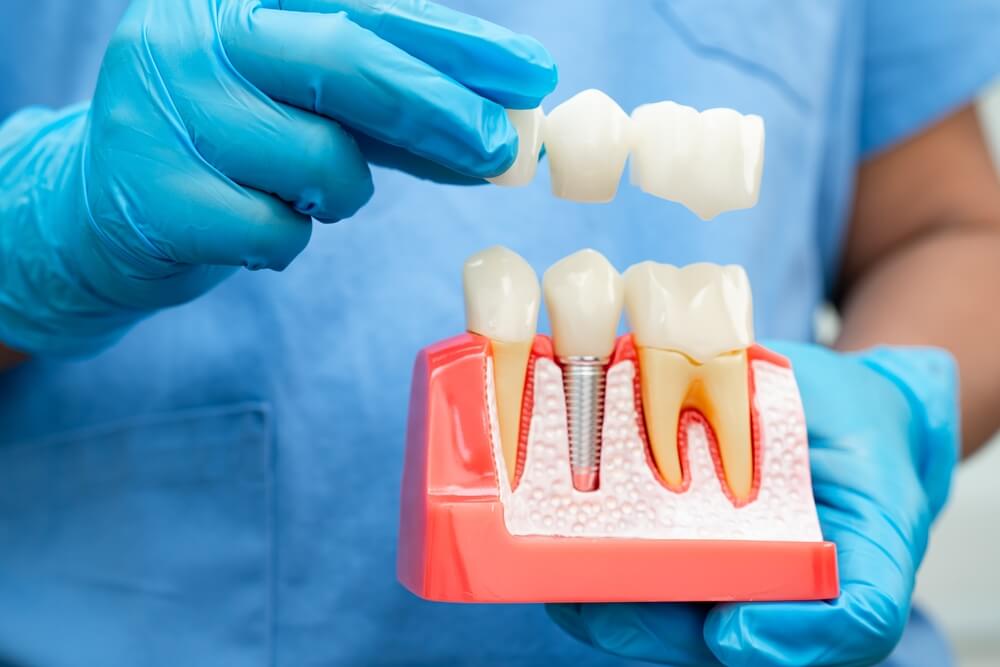
Dental implants are considered the gold standard for tooth replacement. An implant is a titanium post surgically placed into the jawbone, acting as an artificial tooth root. Once healed, a custom crown is attached, creating a strong, natural-looking replacement.
Why Patients Choose Implants
- They look and feel natural. Implants blend seamlessly with your real teeth and function just like them.
- They prevent bone loss. Because implants integrate with the jawbone, they help maintain bone density and facial structure.
- They’re incredibly durable. With proper care, implants can last decades—often a lifetime.
- They don’t involve neighboring teeth. No need to alter healthy teeth to support the restoration.
Who is a Good Candidate?
Dental implants work best for patients with healthy gums and adequate jawbone density. If bone loss has occurred, bone grafting may be required before placement.
What Are Dental Bridges?
Dental bridges replace one or more missing teeth by anchoring an artificial tooth (or teeth) to the natural teeth on each side of the gap. These supporting teeth are reshaped and fitted with crowns, which hold the bridge securely in place.
Why Patients Choose Bridges
- They restore your smile quickly. Unlike implants, bridges require no healing period.
- They’re cost-effective. Bridges tend to be less expensive upfront than implants.
- They are ideal when bone loss is present. Bridges don’t rely on the jawbone for support.
Who is a good candidate? Bridges are an excellent choice for those who prefer a quicker, non-surgical restoration or who may not be eligible for implants due to health or bone density concerns.
Dental Implants vs Dental Bridges: 5 Key Differences
Understanding how these two options compare is vital when choosing the right treatment.
1. Longevity
- Implants: Can last a lifetime with good oral hygiene.
- Bridges: Typically last 10 to 15 years before replacement may be needed.
2. Impact on Surrounding Teeth
- Implants: Do not affect neighboring teeth.
- Bridges: Require supporting teeth to be reshaped and crowned.
3. Jawbone Health
- Implants: Stimulate the jawbone and prevent bone loss.
- Bridges: Do not prevent bone deterioration beneath the missing tooth.
4. Treatment Time
- Implants: Require multiple appointments and a healing period (3–6 months).
- Bridges: Can usually be completed in just a few weeks.
5. Cost
- Implants: Higher initial investment but longer-lasting.
- Bridges: Lower upfront cost but may need replacing sooner.
Dental Implants vs Dental Bridges: How to Decide Which Option Is Right for You
Choosing between dental implants and bridges depends on several factors, including your oral health, timeline, budget, and personal preferences.
You may be a better candidate for dental implants if you:
- Want a long-term or permanent solution
- Prefer the most natural look and feel
- Have sufficient jawbone density
- Want to preserve the health of nearby teeth
You may be a better candidate for a dental bridge if you:
- Want a faster, non-surgical option
- Prefer a lower upfront cost
- Have neighboring teeth that already need crowns
- Are not a candidate for implant surgery
During a consultation, your dentist will evaluate your oral health, review your goals, and help you determine the best approach to restore your smile.
Restore Your Smile With the Right Tooth Replacement Option
Both dental implants and dental bridges offer effective, life-changing results – what matters most is choosing the option that supports your long-term health and confidence.
If you’re unsure which treatment is right for you, our team of highly qualified doctors is here to help. We’ll guide you through the pros, cons, and personalized recommendations based on your unique needs.
Ready to explore your options? Call 301-880-4439 or request your consultation online and take the first step toward a stronger, healthier, and more confident smile.