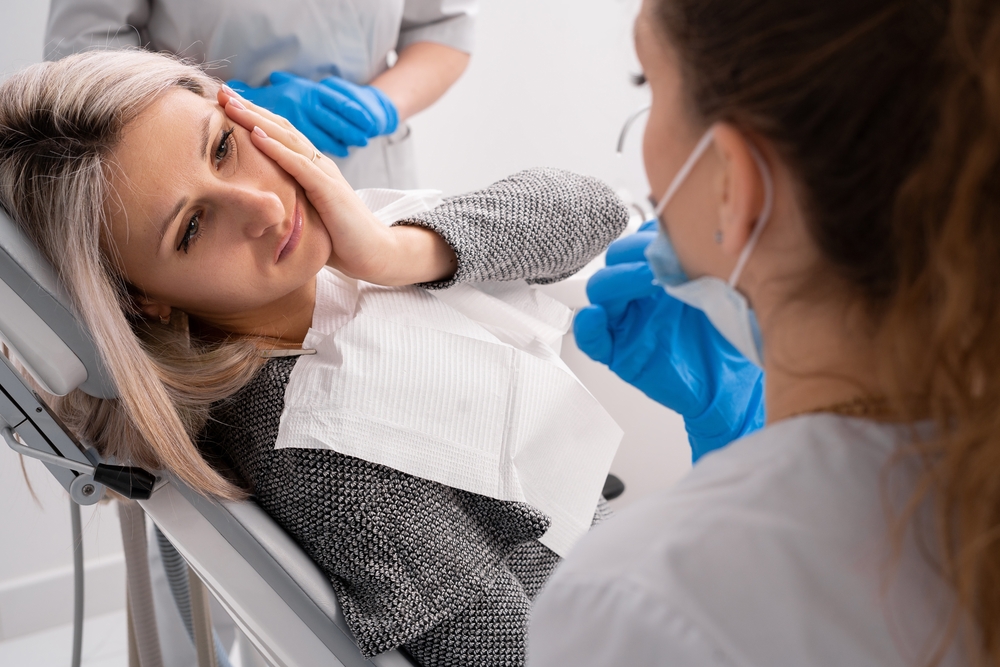
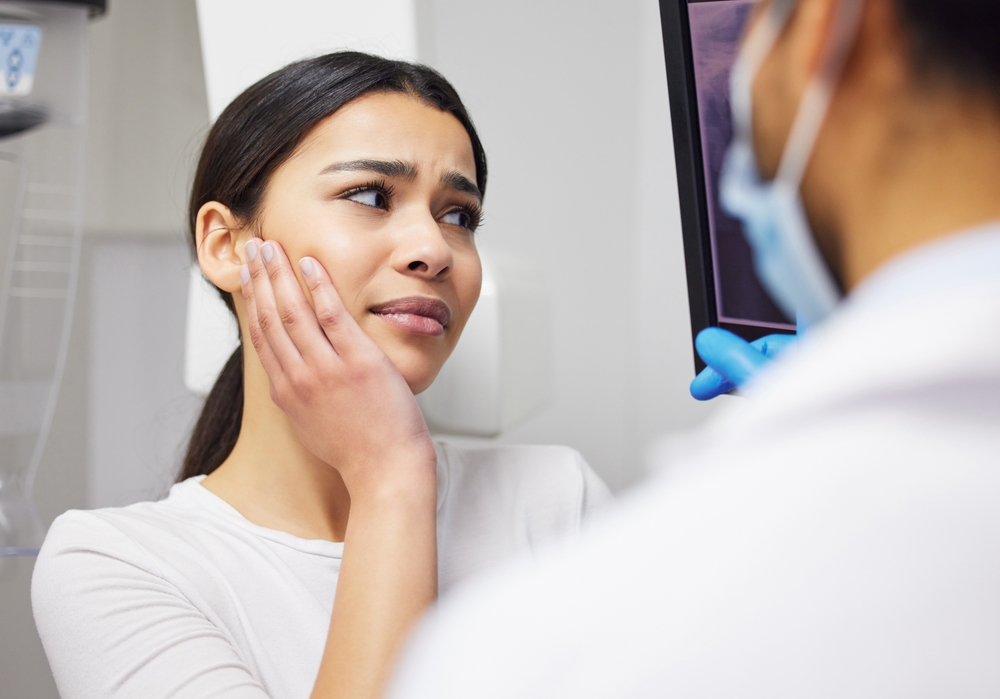
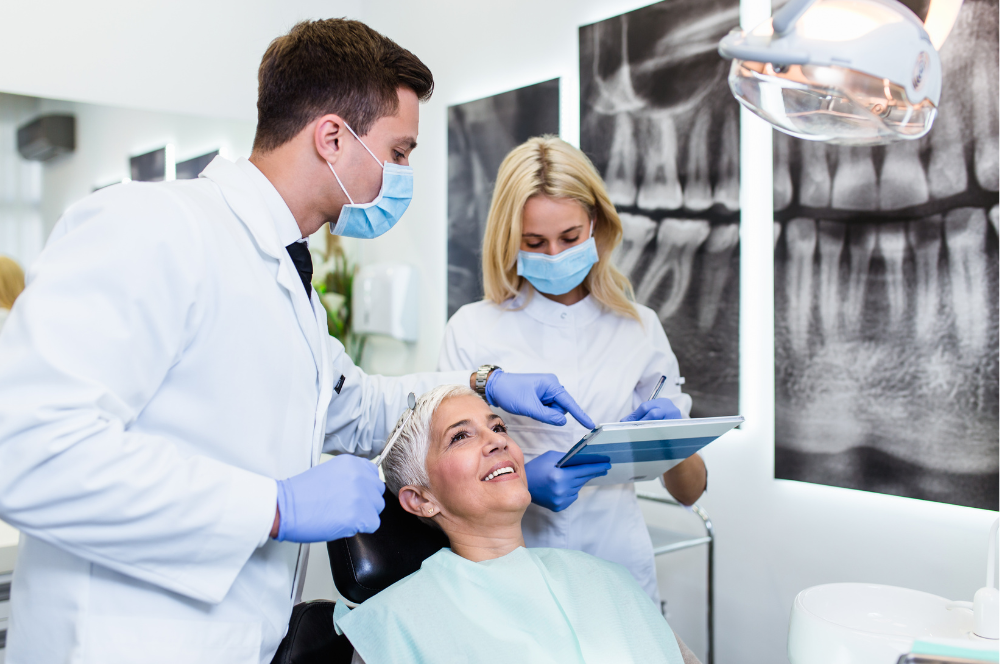
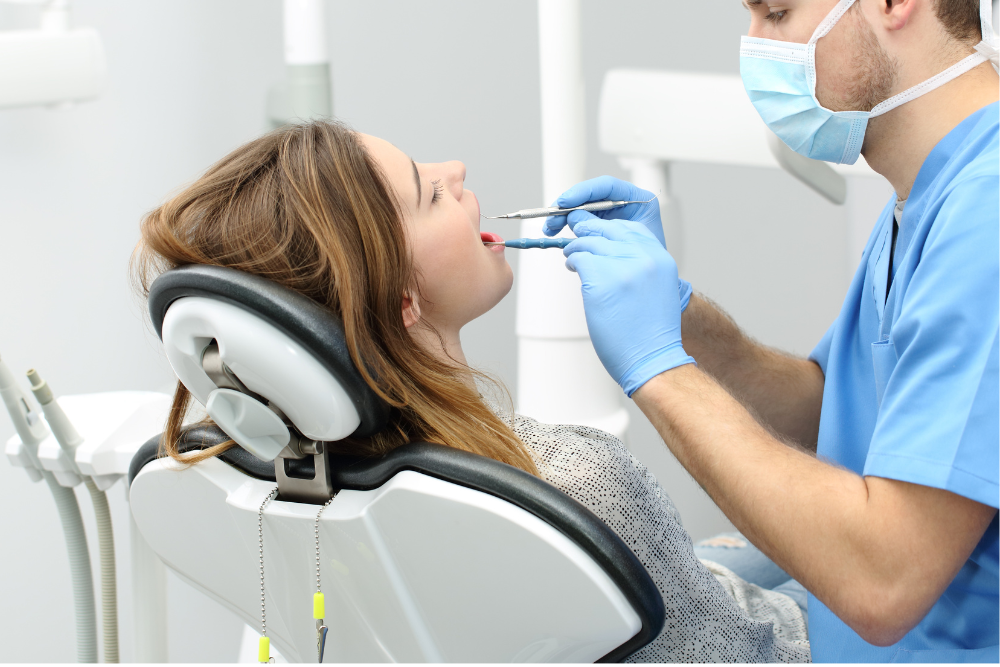
Not every toothache needs urgent care, but some dental issues simply cannot wait.
If you’ve ever found yourself wondering whether your symptoms count as an emergency, you’re not the only one, and fortunately, you don’t have to go through this experience alone.
Knowing the difference between an emergency and something that can wait can save your teeth, and your peace of mind.
So, what actually qualifies as a dental emergency in Leonardtown, Maryland?
Keep reading, and be the most informed person in the room when it comes to the emergency dental care you’re looking for.
Understanding What Constitutes a Dental Emergency in Leonardtown
A dental emergency is any situation involving the teeth or gums that requires oral surgery immediate attention to relieve pain, stop bleeding, prevent infection or save a tooth.
The most common examples include:
- Uncontrolled bleeding from the mouth
- Severe pain that doesn’t go away
- Knocked-out or broken teeth
- Facial swelling or signs of infection like fever and pus
- Lost crowns or fillings that expose nerves
While some situations may seem mild, even small issues can become serious if ignored.
Would you recognize a dental emergency if it happened to you or a loved one? It’s important to know what to look for, and especially important to know when to act.
What to Do During a Dental Emergency
When facing a dental emergency in Leonardtown, MD, the first step is to stay calm and act quickly.
Here are immediate actions you can take:
- For a knocked-out tooth: Handle it by the crown, rinse gently, and place it back in the socket or in milk.
- For severe pain or swelling: Rinse with warm salt water and apply a cold compress to reduce inflammation.
- For a cracked tooth: Rinse with water and avoid chewing on that side until a professional evaluation.
Prompt action not only reduces discomfort, but can be critical in saving your natural tooth or avoiding infection or abscess. It may seem like it’s just about your teeth (which is a big deal anyway), but it may also affect your long-term health.
How Do You Know If It’s an Emergency or Just an Inconvenience?
This can be tricky.
If the discomfort is minor and doesn’t interfere with eating, speaking, or sleeping, it might not be an emergency, but that doesn’t mean it should be ignored.
It’s always best to call your dentist and describe your symptoms.
A trained professional can help you determine if you need to be seen right away or scheduled for the next available appointment.
Ever wondered if that small chip in your molar is worth worrying about? Or if that dull ache could be a sign of something worse?
These are common questions, and getting answers fast is what emergency dental care is all about.
Why Prompt Care Matters
Delaying treatment could result in complications like infection, tooth loss, or systemic health issues.
In fact, untreated dental infections have been linked to serious health conditions such as heart disease and sepsis.
Acting swiftly ensures both your oral and overall health stay protected.
Whether it’s a sudden trauma or an issue that’s been building, recognizing a dental emergency in Leonardtown and responding appropriately can make all the difference.
Call Now to Get Expert Help for Your Dental Emergency in Leonardtown, MD
When every minute counts, you need care that’s reliable, accessible, and compassionate. For residents in Leonardtown, expert dental help is just a phone call away.
Don’t wait for the pain to worsen or the problem to spread. At Dr. Luke’s, you’ll get the highest quality of care, any time, and in any case.
Contact us online or give us a call at 301-880-4439 now for fast, professional support. Your smile deserves immediate attention.
Dental emergencies often happen when you least expect them, during a weekend meal, a fall, or even in your sleep.
If you’ve ever typed “Emergency Dentist Near Me” while holding your jaw in pain, you’re not alone.
Knowing when to seek urgent care and what to expect can make all the difference in protecting your smile and your health.
It’s time to know your options in an emergency. Keep reading to ensure you’re getting the best care around, even when it’s not something you planned for.
Common Dental Emergencies That Need Immediate Attention
From sudden pain to visible damage, dental issues can escalate quickly.
But how do you know it’s time to call an emergency dentist?
- Severe toothache: Persistent or throbbing pain that doesn’t go away.
- Chipped or broken teeth: Especially if it causes bleeding or exposes nerves.
- Knocked-out tooth: Immediate action can sometimes save the tooth.
- Swollen gums or jaw: Could indicate an infection or abscess.
- Loose or lost crowns, fillings, or bridges: Can expose sensitive areas to bacteria and further damage.
When in doubt, it’s always safer to contact a provider who specializes in emergency dental care.
Why Searching “Emergency Dentist Near Me” Is About More Than Convenience
Sure, proximity matters in a crisis, but it’s not just about being close.
It’s about finding a dentist in Leonardtown with the expertise to handle a wide range of emergency situations.
A skilled prosthodontist, like Dr. Luke, can evaluate structural concerns and perform restorative work with both precision and compassion.
Did you know that untreated infections in the mouth can spread to the bloodstream, leading to life-threatening complications?
Timely intervention could prevent serious systemic issues.
It may not seem like a big deal, maybe just a pain in the tooth. But don’t compromise your health just because you think you should be able to tough it out, or wait for the next available appointment.
What to Expect From an Emergency Dental Visit
Wondering what happens once you arrive?
Here’s a quick look:
- Rapid evaluation: X-rays and a comprehensive assessment of the affected area.
- Pain management: Immediate relief through numbing agents, medication, or sedation.
- Treatment planning: Whether it’s a temporary fix or permanent restoration, a care plan will be established.
- Preventive guidance: Steps to avoid future emergencies, including follow-up care.
Dental professionals trained in emergency response understand the urgency and are equipped to handle even complex issues quickly and safely.
How Can You Be Prepared for a Dental Emergency?
- Store your dentist’s emergency number in your phone.
- Keep a dental emergency kit at home: gauze, saline rinse, and a small container for a knocked-out tooth.
- Know your symptoms, don’t wait until it gets worse.
Have you ever wondered what the long-term effects of ignoring a toothache might be? Or whether a chipped tooth can lead to infection if left untreated?
The answers often come down to timing. And the right dental provider. Fortunately, you’ve found the right provider who’s ready when you need it.
Call Now if You Need an Emergency Dentist Near Me in Leonardtown, Maryland
When pain strikes, you shouldn’t have to waste time scrolling through endless search results for “Emergency Dentist Near Me.”
For those in Leonardtown, MD, expert care is just a call away.
Don’t let a small problem turn into a big one, relief and restoration can begin today.
At the office of Dr. Luke, our practice prioritizes your need for the highest quality care around, even, and especially in the case of an emergency.
Your health shouldn’t have to wait. Contact us online or give us a call at 301-880-4439 and get the care you need, when you need it most.
Whether you need a simple filling or more serious oral surgery, knowing where to turn makes all the difference in the quality of care and results.
This comprehensive guide explains the advantages of seeing the top dentist near Dunkirk, Maryland, how to find them, and more.
A Beautiful Smile Means a Healthier You
Did you know there are health benefits to seeing your dentist on a regular basis? It’s true!
Professional cleanings lower the risk of heart disease by removing bacteria that can enter your bloodstream.
Regular exams with the top dentist near Dunkirk, Maryland, also make it easier to catch serious conditions early—such as oral cancer—when they are most treatable.
Gum health plays a role, too. Preventing gingivitis and periodontal disease supports not only your teeth but your long-term health.
Early cavity detection means fewer surprises and less chance of complex procedures down the road. With prompt care, small problems stay small!
Routine visits build better habits. When you stay consistent, it’s easier to stick with smart hygiene practices.
From Start to Smile — Inside a Dental Visit
A routine appointment typically begins with a friendly conversation about your medical history and any changes in your oral health.
The team may ask about medications and oral hygiene habits to better tailor your care.
A dental hygienist is often responsible for the initial cleaning of your teeth. They remove plaque and tartar buildup to prepare you for a comprehensive exam.
The dentist steps in to check each tooth, your bite, and the health of your gums. They examine your tongue, throat, and other soft tissues for irregularities.
If needed, X-rays may be taken to spot concerns not visible during the exam. These images uncover hidden decay, bone loss, and other conditions.
Before you leave, your provider offers personalized tips or suggestions based on your specific oral health needs.
It’s a simple, yet important, visit designed to keep everything on track!
7 Tips From Experts to Find the Top Dentist Near Dunkirk, Maryland
Knowing how to find a good dentist is key to safeguarding your oral health. The following are simple steps that will guide your search:
-
Ask for referrals: Reach out to people you trust for personal recommendations. Word of mouth often provides valuable insights into a dentist’s care, approach, and the overall experience you can anticipate.
-
Speak to your insurer: Contact your insurance company for a list of dentists. This may narrow your options to providers covered by your plan and prevent surprises with coverage and billing.
-
Verify certification and specialties: Check a dentist’s qualifications to confirm they have the right skills for your needs. Specialties like cosmetic or general dentistry can be important depending on your requirements.
-
Read online reviews: Patient feedback gives you a glimpse into the care and customer service you can expect to receive.
-
Consider office hours and location: Make sure the office location is convenient for you and the hours fit into your schedule. For emergency purposes, you may want to inquire about same-day or urgent visits, evening, or weekend hours.
-
Visit the practice: A quick visit to the office allows you to gauge the environment and staff. You should observe a welcoming atmosphere that is clean and well-organized.
-
Listen to your instincts: Your dentist is an important part of your healthcare team. You should feel at ease with whomever you choose and confident in their ability to provide you with the best possible care.
Turn to Dr. Joseph Luke for Dedication to Dental Excellence!
Experience trusted, top-tier care in Lusby and Leonardtown from a team focused on your safety and comfort.
Call us at 301-880-4439 or request your appointment now!
Let’s face it—dental emergencies rarely occur at the most convenient times!
That’s why it’s important to know how to protect your oral health and find care when you need it most.
Here’s what you need to know before getting 24/7 dentistry in Leonardtown.
Read on to learn what to watch for, when to go to the emergency room, and more.
When to Call for Help—Symptoms You Shouldn’t Ignore
The following are warning signs of an urgent dental situation:
-
A strong, pulsing toothache that doesn’t go away with basic pain medication
-
Sharp discomfort or pressure when you chew or bite down
-
Sensitivity to hot or cold that lingers even after the source is gone
-
Swelling in your gums or face
-
Sudden tooth pain
-
A tooth that looks darker than others or has changed in color
-
Ongoing drainage or a bad or metallic taste
Skip the ER Unless It’s One of These Situations
Hospitals can offer temporary relief and basic care but often lack the tools and specialists needed for dental procedures.
That said, some situations call for immediate hospital care if you cannot get to a dentist.
If swelling makes it hard to breathe or you experience dizziness or loss of coordination, call 911 or head to your closest emergency room.
Heavy bleeding that doesn’t slow down after pressure may also require emergency care.
A hospital visit is also recommended for oral trauma involving multiple knocked-out or broken teeth, or serious injury to the face or jaw.
What to Do at Home Before You Get in the Dentist’s Chair
While waiting for 24/7 dentistry in Leonardtown, there are simple measures you can take to find relief.
If you are dealing with a toothache, try rinsing your mouth with warm salt water to help ease irritation. Over-the-counter pain relievers can also take the edge off until your appointment.
For a knocked-out tooth, gently place it back in the socket if possible, or store it in milk to keep it from drying out. Avoid touching the root and act quickly to improve the chances of saving it.
A cracked or chipped tooth can be protected by covering the area with dental wax or sugar-free gum. Stick to soft foods and avoid chewing on that side until you get professional care.
If swelling pops up, apply a cold compress to the outside of your cheek for short intervals. This may help reduce puffiness and bring some temporary relief.
Notice bleeding? Gently bite down on clean gauze and keep your head elevated until you’re seen.
How to Find 24/7 Dentistry in Leonardtown
It’s difficult to find a dentist who is open around the clock but most offer convenient scheduling online or via phone call.
When choosing an emergency dentist, do a bit of online exploration.
Look for someone with board certifications and experience treating urgent dental issues.
Take a look at their website to see what services they offer. Advanced tools, techniques, and technology can make a big difference in comfort and results.
Don’t skip reading reviews!
Patient feedback offers insight into the care you can expect. Pay attention to comments about response times, professionalism, and how the staff handles urgent situations.
Prioritize dental offices with flexible hours, a location that’s easy for you to reach, and one that accepts your dental insurance.
Dr. Joseph T. Luke Is Here With 24/7 Dentistry in Leonardtown When Emergencies Strike!
Need a same-day or urgent care appointment? Our office welcomes patients of all ages with both general and cosmetic services.
From teeth whitening to extractions, crowns, and implants, we’ve got you covered!
Don’t delay the top-tier dental care you deserve. Call us at 301-880-4439 to book at our Leonardtown or Lusby office now!
A key part of taking care of your dental and oral health is finding a dentist that you trust. Your dentist not only ensures your teeth are healthy, but also your gums, tongue, and other parts of your mouth.
If you’re looking for a dentist or need to schedule a dental appointment in Leonardtown, Maryland, here’s some key information you should know.
Three Mistakes to Avoid When Searching for a New Dentist
Finding a reputable dentist that makes you feel comfortable isn’t easy. So how can you find a tooth specialist who meets all of your needs?
Here are three mistakes to avoid when searching for the right dentist:
- Not researching credentials: The dentist you choose, as well as all of the assistants and hygienists, should be licensed. Your dental specialist should also be board certified, which demonstrates a thorough understanding of the teeth, gums, and mouth structure.
- Prioritizing cost over other key factors: Even with insurance, dental services can be quite expensive. As a result, some people choose a dentist that offers the lowest prices. But, more often than not, lower prices mean lower quality equipment and training. Most dentists offer financing plans and other options to ensure you get the services you need without risking quality or safety.
- Choosing a dentist you don’t mesh with: The relationship between you and your dentist is extremely important. Not only do you have to have good communication, there needs to be a high level of trust and comfort. If you feel nervous or worried when scheduling an appointment, chances are you simply won’t go, which puts your dental health at risk.
How Often Should I Schedule a Dental Appointment in Leonardtown, Maryland?
Now that you know what things to avoid when finding a dentist, you may be wondering how frequently you need to see them.
The general recommendation is that you should schedule a dental appointment in Leonardtown, Maryland every six months for a cleaning and checkup.
However, your individual oral and dental health needs may require more or less frequent visits. For example, if you have good dental hygiene habits, you may not need to see your dentist as often.
On the other hand, you may need to see a dental specialist more frequently if you have a family history of tooth decay, gum disease, or a medical condition that affects your oral health.
No matter how often your appointments are scheduled, regular visits are important for many reasons, including:
- Routine cleanings prevent the buildup of tartar and plaque
- Early detection of periodontal (gum) disease, cavities, and other common dental concerns
- Screenings to check for teeth positioning, shifting, and underlying bite issues
When to Seek Immediate Dental Care
Dental emergencies happen, which means that you may need to schedule an urgent appointment to get the treatment you need.
While not all issues require immediate care, there are some that should be taken care of ASAP. This includes:
- Severe tooth pain that doesn’t subside with over-the-counter pain relievers
- Broken, chipped, or loose tooth
- A knocked-out tooth
- Uncontrolled bleeding
- Lost filling, crowns or bridges
- Swelling in the mouth or face
If you experience any of these conditions, don’t wait to seek treatment. The sooner you see a dentist, the better, as delaying care could cause serious harm to your teeth.
Choose The Office of Dr. Joseph Luke for a Dental Appointment in Leonardtown
From routine cleanings to root canals and extractions, you can trust The Office of Dr. Joseph Luke for high-quality dental services. Our team is here to ensure your smile is a healthy one!
For a dental appointment in Leonardtown, MD, call us at 301-880-4439 today, or submit an online appointment request now.
Crowns are meant to last for years. But sometimes a replacement is needed to maintain the appearance and structural integrity of your tooth.
How much does a dental crown replacement cost in Lexington Park? Keep reading to learn more about the price of this dental procedure.
What Are Dental Crowns?
A dental crown is a tooth-shaped cap that is placed over a damaged or decayed tooth. They’re designed to restore function and appearance.
Crowns are often used when there’s a large cavity or significant damage that can’t be properly addressed using a filling. They’re also used to cover a tooth after a root canal or to secure a dental bridge.
They’re available in many different materials. Porcelain and ceramic are preferred because they are less noticeable, while metal crowns are very durable and may be placed on damaged molars.
The process of having a dental crown placed usually takes at least two visits
During the first appointment, the tooth is cleaned and shaped. Then, an impression is taken and a temporary crown is put on.
At the second appointment, the permanent crown is shaped and adjusted as needed, and it’s then cemented onto the tooth.
Why Would One Need to Be Replaced?
Typically, modern dental crowns last for 10 to 30 years. There are some instances where a crown needs to be replaced sooner rather than later.
Here are common reasons why a replacement is needed.
- Wear and tear: It’s not uncommon for crowns to wear down due to chewing and grinding. This can affect the structural integrity of the cap.
- Loose fit: Over time, the adhesive used to keep a crown in place can break down, causing it to become loose. Changes in the shape of the tooth can also require a replacement to be needed to ensure a proper fit.
- Cracks and / or chips: Even though they’re made with durable materials, crowns can crack or chip. Once this happens, there’s a risk of inadequate protection.
- Change in bite: Teeth shift, and any changes in the bite or alignment can cause the crown to have a poor fit.
- Aesthetic concerns: Crowns are meant to look natural, but they can become discolored or worn, leading to a less natural appearance. Visible crowns should be replaced to ensure you remain confident in the look of your smile.
If you’re experiencing any of these issues, don’t wait to consult with a dentist. Waiting to get the care you need could further compromise your dental health.
How Much Does a Dental Crown Replacement Cost in Lexington Park, Maryland?
Now that you know what a dental crown is and why they need to be replaced, you may be wondering how much you’ll pay for this procedure.
Crown replacement can cost anywhere from $800 to $2,500 per tooth. However, you may be charged an amount that falls outside of this range, depending on:
- The provider you choose
- The type of crown that needs to be replaced
- Any other treatment that’s required, such as a root canal
You’ll also want to consider your dental insurance coverage. Contact your insurance company to get a clear idea of what your plan covered.
Most insurers cover half the cost of a crown, if it’s medically necessary. However, some plans have annual coverage caps while others have waiting periods before major dental treatments are covered.
Choose Dr. Joseph Luke for Competitive Crown Replacement Cost in Lexington Park
How much does a dental crown replacement cost in Lexington Park? Find out at our dental practice, where you can be sure to affordably get the care you need!
For a dental crown replacement in Leonardtown, MD, call us at 301-880-4439 today, or submit an online appointment request now.
A consultation with a dentist is one of the first steps you can take in protecting your dental and oral health. But if you’re feeling a little nervous, you definitely aren’t alone!
Knowing what happens ahead of time can make your appointment a lot less stressful and nerve racking.
Keep reading to learn more about what you can expect during your free dental consult in Leonardtown, Maryland.
Have an Upcoming Free Dental Consult in Leonardtown? Here’s a Quick Rundown
Taking charge of your dental health is an important part of your overall well being.
If you have a free dental consult in Leonardtown, MD, coming up soon, here’s what you can expect to happen during the appointment.
- Medical history review: The process begins with your dentist asking about your medical history as well as any existing dental issues you’re dealing with.They will also ask about your oral hygiene routine to get a better understanding of your health and potential risk factors that could affect your dental health.
- Dental examination: Next, your dentist will perform a thorough examination of your mouth, gums, teeth, and bite. The inside of your mouth will be examined for unusual growths or any signs of infection. Dental X-rays may also be performed to get a closer look at your teeth.
- Treatment discussion: After the examination is finished, any issues that are found will be discussed along with treatment options. This could include preventive measures like routine cleanings or more specific treatments such as crowns, fillings, or a root canal.
Schedule a Free Dental Consultation at The Office of Dr. Joseph Luke
A healthy smile means a healthy you. If you have questions about your dental health or if you’re overdue for a cleaning, come to The Office of Dr. Joseph Luke.
For a free dental consult in Leonardtown, MD, call us at 301-880-4439 today, or submit an online appointment request now.
Dental issues are common, but not all of them require urgent attention. A minor toothache or gum redness rarely requires you to see a dentist immediately. Unsure if you need a same-day dental appointment in Lusby, MD?
Here’s when you need to seek immediate oral health services.
Should You Schedule a Same-Day Dental Appointment in Lusby, MD?
Not all dental problems require immediate care. But, if you experience any of these symptoms, you’ll want to schedule a same-day dental appointment in Lusby, MD as soon as possible:
- Severe tooth pain: Intense, persistent pain that doesn’t go away with over-the-counter treatments could be caused by an infection or an abscess. Both require diagnosis and treatment from a dentist.
- Severe bleeding: Constant bleeding from the gums or mouth that doesn’t stop after applying pressure for 15 minutes is problematic and should be seen by a dental professional.
- Damaged tooth: If you have a broken, chipped, or cracked tooth, you’re at a higher risk of further damage and infection.
- Knocked-out tooth: A tooth that has been knocked out of place requires immediate care. The sooner you seek professional care, the more likely it is that the tooth can be successfully reattached.
- Loose or missing filling: If your filling feels loose or has fallen out, your tooth could be exposed, which increases the risk of infection.
- An abscess: A dental abscess causes pus, redness, and inflammation around the teeth, gums, and other areas of the mouth. This condition requires immediate treatment to prevent the infection from getting worse.
Come to The Office of Dr. Joseph Luke for Same-Day Care
If you’re experiencing severe tooth pain, have lost a tooth, or have signs of a dental infection, you’ll want to get care sooner rather than later. For urgent dental care, come to The Office of Dr. Joseph Luke.
For a same-day dental appointment in Lusby, MD, call us at 301-880-4439 today, or submit an online appointment request now.
Saving a decayed or dental tooth is always ideal. But, in some cases, a tooth cannot be saved and it must be taken out to protect the health and function of your smile.
If you want to learn more about tooth extractions in California, MD, you’ve come to the right place. Keep reading to learn more about this dental procedure.
Why Are Tooth Extractions in California, MD Needed?
Removing a tooth is typically the last resort for any dentist. But, there are some situations where it’s the safest and best option, such as:
- Severe damage caused by decay or trauma
- A badly infected tooth that can’t be fixed with a root canal
- An impacted tooth
- Overcrowding that is causing surrounding teeth to shift
Consult with a dentist if you’re experiencing any of these issues. Ignoring tooth decay or an infection can cause further dental problems.
How Are Extractions Performed?
There are two main types of tooth extractions in California, MD: simple and surgical.
A simple extraction involves loosening the tooth from the socket and pulling it out. This type of extraction is often performed using local anesthesia and may take only a few minutes.
Surgical extractions are more complex and are often performed by an oral surgeon. This type of dental extraction is often reserved for removing a tooth that is broken at the gum line or an impacted wisdom tooth.
Surgical extractions are usually performed under general or IV sedation.
Problem Tooth? Come to The Office of Dr. Joseph Luke
Whether you have an impacted tooth or a severely damaged tooth caused by trauma, it’s important to get the dental care you need.
Our team performs extractions and other important services to protect the health and function of your smile.
Call our office today at 301-880-4439 to schedule an appointment!
With proper care and maintenance, dental crowns usually last five to 15 years. But, their lifespan can vary based on oral hygiene habits, the type of crown, and the location of the tooth.
If your crown is loose or has fallen out, you’ll want to consult with a dentist to get a new one placed as soon as possible.
Keep reading to learn how much the crown replacement cost in Leonardtown, MD is.
How Much Does Crown Replacement Cost in Leonardtown, MD?
Dental crowns are designed to look and function like a real tooth. They’re usually made of metal, ceramic, or a combination of materials to ensure their durability and longevity.
When it comes to crown replacement cost in Leonardtown, MD, there are many factors that affect how much you’ll pay, including:
- Type of crown
- Material
- Condition of the tooth
- The dentist you choose
- Where you live
- Insurance coverage
The cost ranges from $697 to $1,399. However, you may pay above or below this range depending on the factors above.
Does Insurance Cover Dental Crown Replacement?
Your insurance may cover the cost of crown replacement. It depends on your health or dental insurance plan as well as why the crown needs to be replaced.
Because coverage varies widely between plans, check with your insurance provider before scheduling an appointment with a dentist.
If your crown was originally used for cosmetic reasons, such as covering a discolored tooth, replacing it isn’t likely to be covered by your insurance plan.
Need a New Dental Crown? Come to The Office of Dr. Joseph Luke
If your dental crown has fallen out, is loose, or is damaged, it’s important to seek professional dental care immediately in order to fix the issue before it gets worse.
To have a new crown placed, call us at 301-880-4439 today, or submit an online appointment request now.