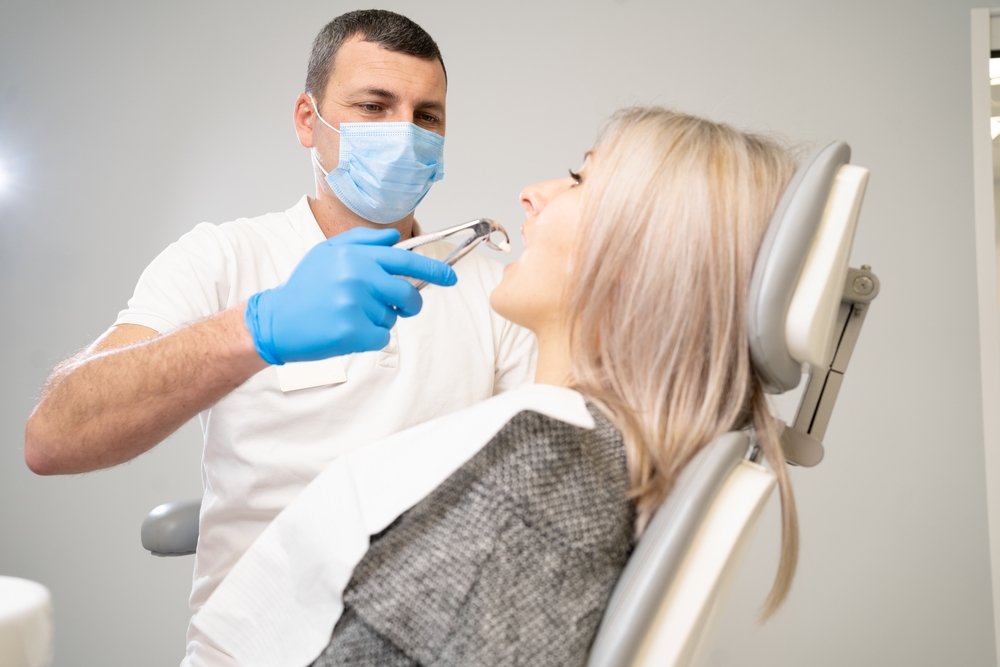
Knowing whether your tooth needs an emergency extraction or can still be saved often comes down to a few clear warning signs.
A cracked, throbbing, or badly damaged tooth raises an urgent question, can it be repaired, or is it beyond saving.
Same-day extraction options exist for these situations, but not every damaged tooth actually needs one.
Signs Your Tooth Needs an Emergency Extraction
Severe, worsening pain along with visible swelling in the gums or face is one of the clearest signs something urgent is happening.
A tooth that is loose, badly fractured below the gumline, or visibly infected with pus at the base usually cannot be saved with a filling or crown.
If your tooth needs an emergency extraction, waiting typically only makes the infection or damage worse.
When a Tooth Can Still Be Saved
Minor cracks, chips, or cavities without significant pain often respond well to a filling, crown, or root canal instead of removal.
Even a tooth with some decay can often be saved if the inner pulp and root structure are still healthy.
If dental anxiety is part of what is keeping you from calling, knowing what to expect can make that first call easier.
When Extraction Is the Safer Option
An infection at the root of a tooth can spread beyond the tooth itself if it is not addressed quickly.
The body’s immune response works hard to contain infection, but a severely damaged tooth can overwhelm that defense over time.
At that point, removing the tooth is often the safest way to stop the spread.
In Severe Pain? Book Your Emergency Extraction in Calvert County With Dr. Luke
Drs. Joseph and Jonathan Luke at Southern Maryland Family & Prosthodontic Dentistry can evaluate your tooth and let you know the same day whether it can be saved or needs to come out.
Request your appointment online, find hours and directions for the location nearest you, or call our office now at 301-880-4439 for immediate help.
Tooth pain has a way of getting pushed to the bottom of the to do list, especially when life is already busy. If you wait too long to get an infected tooth extracted, the infection rarely stays contained to just that one tooth.
Oral surgery becomes a more urgent conversation once an infection is involved, since the risks grow the longer it sits untreated.
What Happens When You Wait Too Long to Get an Infected Tooth Extracted
Pain and swelling typically get worse before they get better, since the infection continues growing inside the tooth and surrounding bone.
An abscess can form at the root, creating a pocket of infection that antibiotics alone often cannot fully resolve on their own.
Managing discomfort with an over the counter pain reliever can help in the short term, but it does not address the underlying infection causing the pain.
Many patients wait, hoping the pain will simply pass, only to find it returns worse within a few days.
How the Infection Progresses Over Time
The bone surrounding the tooth can begin to break down the longer an infection sits untreated in that area.
Nearby teeth and gum tissue can also become affected, turning what started as a single problem tooth into a larger issue.
If you wait too long to get an infected tooth extracted, the additional damage can eventually affect more than one tooth or area of the jaw.
What could have been a simple extraction early on sometimes turns into a more involved procedure the longer it goes unaddressed.
This is one of the main reasons dentists recommend addressing an infected tooth as soon as symptoms appear, rather than waiting to see if it improves on its own.
How Infection Can Spread Beyond the Tooth
In rare but serious cases, an untreated dental infection can spread into the jaw, neck, or bloodstream.
Sepsis is the body’s extreme, life threatening response to a spreading infection, and dental infections are one possible starting point.
This outcome is uncommon, but it illustrates why an infected tooth should never be treated as something that can simply wait indefinitely.
Recognizing the warning signs early can make a real difference if an infection begins to spread beyond the mouth.
Signs the Infection Is Getting Worse
Increasing swelling in the face, jaw, or neck is one of the clearest signs the infection is progressing rather than resolving.
Difficulty opening your mouth fully, trouble swallowing, or a fever are all signs that the infection needs prompt attention.
A bad taste or odor that will not go away, even with brushing, often signals that an abscess has developed.
Any of these symptoms on their own is worth a call to the office, and having more than one present usually means the situation needs same day attention.
Why You Shouldn’t Wait Too Long to Get an Infected Tooth Extracted
At this stage, extraction is often the fastest way to remove the source of the infection and allow healing to begin.
Waiting any longer at this point only increases the risk of complications requiring more extensive treatment down the line.
Most patients feel noticeably better within a day or two of having the infected tooth removed.
Don’t Wait Any Longer, Call Southern Maryland Family & Prosthodontic Dentistry Today
Drs. Joseph and Jonathan Luke at Southern Maryland Family & Prosthodontic Dentistry can evaluate an infected tooth quickly and explain your options clearly.
Request your appointment online, find hours and directions for the location nearest you, or call our office now at 301-880-4439 for immediate help.
Choosing the right dentist for a full mouth reconstruction near Calvert County often comes down to training, communication, and how thoroughly they plan your case.
After all, rebuilding your entire smile is a major decision, and not every general dentist has the training to handle it well.
Full mouth reconstruction is a comprehensive process that combines multiple procedures, so experience matters more here than with routine dental work.
Choosing a Dentist for Full Mouth Reconstruction Near Calvert County
Start by asking whether the dentist is a general practitioner or a prosthodontist, since prosthodontists complete additional years of specialized training in exactly this kind of work.
A dentist who regularly treats complex cases will typically have before and after photos of their own patients, not stock images pulled from elsewhere.
Patient reviews focused specifically on complex restorative work, rather than routine cleanings, can also offer useful insight into a practice’s experience level.
During Your Consultation
Finding the right dentist for a full mouth reconstruction near Calvert County, MD, also means paying attention to how clearly they explain your options during a consultation.
If something feels rushed or unclear during that first visit, it is worth getting a second opinion before committing to treatment.
A practice with more than one experienced provider on staff can also offer a helpful second perspective on your case and treatment options.
Location and scheduling flexibility matter too, especially if your case requires several visits spaced out over a period of months.
Why Prosthodontic Training Matters for Complex Cases
Prosthodontists complete several additional years of accredited training beyond dental school, focused specifically on restoring and replacing teeth.
The American College of Prosthodontists explains that this specialty covers everything from single tooth restorations to full mouth rehabilitation.
That extra training becomes especially relevant in cases involving multiple missing teeth, significant wear, or a combination of procedures like implants, crowns and bridges.
A general dentist can certainly handle many dental needs well, but a prosthodontist has spent years specifically preparing for cases of this scale and complexity.
This distinction is worth asking about directly, since not every practice will volunteer it upfront during a first consultation.
What a Thorough Treatment Plan Looks Like
A complete evaluation typically includes x-rays, a full exam, and a detailed conversation about your goals and concerns.
The dentist should walk you through each phase of treatment, including timeline, cost, and what to expect during recovery between stages.
For patients replacing an entire arch of teeth, the treatment plan may include All-on-X dental implants, which use strategically placed implants to support a full arch of replacement teeth.
A rushed or vague treatment plan is often a sign that the office is not used to handling complex, multi-step cases.
Ask to see examples of similar cases the dentist has completed, ideally with a range of outcomes shown, not just their best result.
A good plan also includes a clear schedule for follow-up visits, since healing between phases needs to be checked along the way.
Questions to Ask Before Committing
Ask how many full mouth reconstructions the dentist has completed and how often they handle cases of similar complexity to yours.
Ask what happens if complications arise partway through treatment, and how those situations are typically handled by the practice.
Since a case like this can involve significant cost, it also helps to ask about financing options and how the office structures payment over time.
Understanding your options for managing a large expense can make the decision feel less overwhelming from a financial standpoint before you commit.
A dentist who is upfront about cost and willing to walk through payment options is usually a good sign of a transparent practice.
Choose Confidently, Choose a Full Mouth Reconstruction Near Calvert County at Southern Maryland Family & Prosthodontic Dentistry
Dr. Joseph Luke and his son Jonathan at Southern Maryland Family & Prosthodontic Dentistry brings advanced prosthodontic training to every full mouth reconstruction case.
Request your appointment online, find hours and directions for the location nearest you, or call our office now at 301-880-4439 for immediate help.
Rebuilding an entire smile is not a single appointment, and knowing what to expect helps you plan around it. That’s why it’s no surprise that we get asked all the time by patients: How long does a full mouth reconstruction take from start to finish?
The truth is, you can’t put an hour limit on it. A full mouth reconstruction is completed in phases, with healing time built in between each step of the process.
A full mouth reconstruction takes anywhere from several months to over a year from start to finish, depending on your specific case.
What Determines the Timeline For How Long a Full Mouth Reconstruction Takes
The number of procedures involved, such as extractions, implants, crowns, or bridges, has the biggest impact on overall length.
Healing time between phases matters too, since bone and tissue need time to recover before the next step can begin safely.
The bone fusion process around dental implants alone typically takes several months, and this cannot be rushed without risking the final result.
A full mouth reconstruction takes longer for patients who need additional procedures like bone grafting before implants can be placed, which affects how long it takes from start to finish overall.
Your overall health and how well your body heals can also shift the timeline in either direction.
What Each Phase Involves
The process usually starts with any necessary extractions or grafting, followed by a healing period before implants are placed.
Once implants have fully bonded with the bone, the final crowns, bridges, or dentures are fitted and adjusted for comfort.
Getting enough calcium and vitamin D during this healing window supports the bone building happening beneath the surface.
Regular checkups throughout ensure each phase is healing properly before moving forward to the next step.
Most patients find that spacing out the workload this way feels far less overwhelming than expected going in.
Ready to Start? Call Southern Maryland Family & Prosthodontic Dentistry Today
Dr. Joseph Luke and his son Jonathan at Southern Maryland Family & Prosthodontic Dentistry will walk you through a personalized timeline during your consultation.
Request your appointment online, find hours and directions for the location nearest you, or call our office now at 301-880-4439 for immediate help.
Dental pain rarely waits for a convenient time, and searching for help while you are hurting can feel overwhelming.
Same day extraction and emergency visits are available at Southern Maryland Family & Prosthodontic Dentistry for exactly these situations.
Finding an emergency dentist near Calvert County, MD, who can see you today usually comes down to knowing where to look and what to ask.
Finding an Emergency Dentist Near Calvert County Today Who Can See You Today
Start with a quick search for practices in your immediate area, then call rather than relying only on a website to confirm same day availability.
Many general dentists reserve a few slots each day specifically for urgent cases, so calling first thing in the morning improves your chances of being seen quickly.
If your usual dentist cannot see you, ask if they can recommend another local office that handles emergencies.
An emergency dentist near Calvert County who can see you today is often easier to find than people expect, especially with a direct phone call rather than an online form.
What to Look for in an Unfamiliar Office
Before choosing a new office you have never visited, it helps to read reviews carefully, since not every glowing review reflects a genuine patient experience.
Word of mouth from neighbors or coworkers can also point you toward a practice known for fitting in urgent cases.
What to Ask When You Call
Be specific about your symptoms, including pain level, swelling, and how long the problem has been going on.
Learning how to describe your symptoms clearly helps the office decide how urgently you need to be seen and prepare accordingly.
Ask directly whether same day appointments are available and what the office needs from you before you arrive, such as identification or insurance information.
Confirm whether the office accepts your insurance, or ask about payment options if you are uninsured, so there are no surprises once you arrive.
Asking about expected wait time can also help you plan the rest of your day around the appointment.
What Counts as a True Dental Emergency
Severe pain, uncontrolled bleeding, visible signs of infection such as redness, swelling, or discharge, or a knocked out tooth are all situations that need same day attention.
A chipped tooth without pain or a lost filling, while frustrating, can often wait for a regular appointment instead of requiring an emergency visit.
Knowing the difference helps you communicate urgency accurately over the phone and get seen faster when it truly matters most.
When in doubt, it is always better to call and describe what is happening rather than assuming it can wait on your own.
Why Emergency Dentist Near Calvert County Availability Can Vary by Day
Same day openings depend on how many urgent cases the office is already handling, so availability can shift throughout the week.
Calling as early as possible, ideally right when the office opens, gives you the best chance of securing a same day slot.
Some offices also keep a short waitlist for cancellations, so it can help to ask if one is available even if the first answer is no.
Being flexible about which location you visit, if the practice has more than one, can also open up same day options faster.
Weekday mornings tend to have more openings than late afternoons, since urgent cases often build up as the day goes on.
Need to Be Seen Today? Call Southern Maryland Family & Prosthodontic Dentistry Now
Dr. Joseph Luke and his son Jonathan at Southern Maryland Family & Prosthodontic Dentistry works to fit emergency patients into the schedule whenever possible.
Request your appointment online, find hours and directions for the location nearest you, or call our office now at 301-880-4439 for immediate help.
Not every dentist who advertises full mouth reconstruction has actually handled cases as complex as yours might be.
A prosthodontist trained specifically in restorative work often brings a different level of experience to these larger, multi step cases.
Knowing whether a dentist has the experience to handle a complex full mouth reconstruction usually comes down to a few clear signs.
Signs a Dentist Has the Experience to Handle a Complex Full Mouth Reconstruction
A dentist with genuine experience will have before and after photos of their own patients, showing a range of outcomes rather than just their best results.
You can also verify a dentist’s license and specialty training directly through Maryland’s public verification portal.
An experienced dentist should be able to describe similar cases they have treated, including any complications and how they were resolved.
Vague answers or a reluctance to share specifics are often signs that a dentist has the experience to handle a complex full mouth reconstruction less often than they claim.
Questions Worth Asking Before You Commit
Ask how many complex, multi step cases the dentist completes in a typical year, not just routine dental work.
Ask whether they have specialty training beyond dental school, such as a prosthodontic residency.
It also helps to read reviews carefully, since not every glowing review reflects a genuinely complex case handled well.
A dentist who welcomes these questions and answers them directly is usually a good sign you are in experienced hands.
Choose a Team You Trust, Call Southern Maryland Family & Prosthodontic Dentistry Today
Dr. Joseph Luke and his son Jonathan at Southern Maryland Family & Prosthodontic Dentistry bring advanced prosthodontic treatment and care to every complex case.
Request your appointment online, find hours and directions for the location nearest you, or call our office now at 301-880-4439 for immediate help.
A cracked or badly infected tooth rarely waits for a convenient appointment, which is why same day care matters so much.
Same day extraction is one of the services designed specifically for patients dealing with sudden dental pain.
Yes, a Calvert County emergency dentist can pull your tooth the same day in many cases, depending on how quickly you reach out.
What Same-Day Extraction Involves
A same day visit typically starts with an exam and x-ray to confirm the tooth cannot be saved, then the dentist may have to pull your tooth the same day in Calvert County.
Local anesthesia numbs the area completely, so the procedure itself is far less uncomfortable than most patients expect.
Not every situation qualifies as a true medical emergency, and knowing the difference can help you decide how quickly you need to be seen.
What to Do Before You Arrive
Call ahead so the office can prepare for your visit and let you know what to bring, including any current medications.
Driving after local anesthesia is usually fine for most patients, though some prefer arranging a ride just in case.
Eating a light meal beforehand, unless told otherwise, can help you feel steadier once the numbness sets in.
Getting an Emergency Dentist to Pull Your Tooth the Same Day in Calvert County
Reaching out as early in the day as possible gives the office the best chance of fitting you in before closing.
Being upfront about your pain level and symptoms on the phone helps the team prepare before you arrive.
Most patients are relieved to leave the same day with the problem tooth already addressed.
In Pain Right Now? Call Southern Maryland Family & Prosthodontic Dentistry to Pull a Tooth the Same Day
Dr. Joseph Luke’s team at Southern Maryland Family & Prosthodontic Dentistry works to see emergency patients quickly whenever possible.
Request your appointment online, find hours and directions for the location nearest you, or call 301-880-4439 for immediate help.
Dentures change what you can eat, and not for the better. Many patients quietly stop enjoying certain foods within months of getting them.
If eating with dentures has become frustrating, dental implants offer a solution that addresses the root cause rather than working around it. The difference in chewing ability between the two options is not subtle.
This post covers why dentures limit what you can eat and what dental implants do differently.
Why Eating With Dentures Is So Difficult
Dentures rest on gum tissue rather than anchoring into bone. That means they shift under chewing pressure, especially on harder or chewier foods.
Most denture wearers adapt by avoiding problem foods entirely. Steak, raw vegetables, crusty bread, and nuts are among the first to go.
This dietary restriction has real nutritional consequences over time. Patients who cannot chew effectively tend to favor softer, processed foods that lack the fiber and protein a healthy diet requires.
How Eating With Dentures Changes With Implants
Implants anchor directly into the jawbone and do not move. The prosthetic arch attached to them functions much closer to natural teeth than any removable denture can.
Patients who make the switch consistently report being able to eat foods they had given up entirely. That restored freedom changes daily quality of life in ways that go beyond the mouth.
Research shows that complete denture wearers produce as little as 10% of natural bite force. Implant-supported restorations restore significantly more, which explains why patients can eat foods that dentures made impossible.
Explore Implant Options, Call Our Office Today to Book Your Consultation
Struggling with dentures does not have to be permanent. Our doctors at Southern Maryland Family & Prosthodontic Dentistry serve patients throughout St. Mary’s and Calvert County, MD, with implant solutions designed around your goals and bone structure.
Call us at 301-880-4439 today to speak with a member of our staff or request your evaluation online and get the personalized treatment plan you deserve.
The benefits of full-arch surgery compared with traditional dentures go well beyond aesthetics. The differences affect bone health, daily function, and quality of life in ways most patients do not expect.
While traditional dentures have helped people function for generations, but the limitations compound over time. Slipping, adhesives, bone loss, and restricted diets are not minor inconveniences.
This post covers what sets full-arch implant surgery apart, where dentures fall short, and how to know which path fits your situation.
What Full-Arch Surgery Actually Does
Full-arch surgery replaces an entire arch of missing teeth using implant posts anchored into the jawbone. The restored arch attaches to those posts and functions like natural teeth.
The posts replace the function of natural tooth roots. They stimulate the jawbone during chewing, which prevents the bone loss that begins after teeth are removed.
Dentures sit on top of the gum tissue and provide no stimulation to the bone beneath. That structural difference drives most of the long-term outcomes that separate the two options.
The Benefits of Full-Arch Surgery Compared With Traditional Dentures for Bone Health
Jawbone resorption begins within weeks of tooth loss and accelerates with years of denture wear. The face gradually takes on a sunken appearance as bone that once supported teeth diminishes.
Full-arch implants halt that process entirely. The posts integrate with the bone through osseointegration, giving the jaw the stimulation it needs to maintain density.
Patients who wait often require bone grafting before implants become viable. This is one of the strongest arguments for acting before significant loss occurs.
Chewing Force and Daily Function
Patients researching the benefits of full-arch surgery compared with traditional dentures are often most surprised by the difference in chewing force. Dentures restore roughly 25% of normal biting ability.
Full-arch implants restore approximately 90% of natural chewing force. Steak, raw vegetables, and foods that dentures make difficult or impossible become accessible again.
The nutritional impact of restricted chewing is real and cumulative. Patients who cannot chew effectively tend toward softer, processed foods that affect overall health over time.
What Are the Benefits of Full-Arch Surgery Compared With Traditional Dentures for Maintenance?
Dentures require daily removal, overnight soaking, adhesives, and periodic relining. The fit changes as bone resorbs, and full replacement is typically needed every five to eight years.
Full-arch implants are maintained like natural teeth. Brushing, water flossing, and twice-yearly professional cleanings are all that most patients require.
The cumulative cost of adhesives, relining, and replacement narrows the investment gap between dentures and implants significantly over a decade.
Comfort and Confidence in Daily Life
Denture wearers frequently describe anxiety about slippage during meals or conversation. That social burden affects confidence in ways that extend well beyond the mouth.
Full-arch restorations are fixed in place. Patients speak, eat, and laugh without thinking about their teeth, which is exactly what most people want from tooth replacement.
Patients who transition from dentures to implants consistently describe the change as life-altering. Function, confidence, and daily ease all shift dramatically after the switch.
Who Should Consider Making the Switch
Patients struggling with loose dentures, restricted diets, or bone loss concerns are the strongest candidates.
A consultation and imaging assessment determine whether bone density is sufficient for implants.
Patients with existing bone loss may need grafting first. Most healthy adults without uncontrolled systemic disease are candidates with the right preparation.
Your provider will assess your anatomy, health history, and goals before recommending a treatment path.
Explore Options for Full-Arch Surgery Near Calvert County at Southern Maryland Family & Prosthodontic Dentistry
A consultation is the clearest way to understand which option is right for your specific situation.
Our doctors at Southern Maryland Family & Prosthodontic Dentistry serves patients throughout St. Mary’s and Calvert County, MD.
Call us at 301-880-4439 today to speak with a member of our staff or request your evaluation online and get your personalized treatment plan that you’ll be proud of.
Severe tooth pain does not wait for a convenient appointment slot. When the pain is significant enough to disrupt sleep, eating, or daily function, the timeline for treatment becomes the first question.
Getting an emergency tooth extraction in Prince Frederick as quickly as possible depends on the severity of your symptoms and how your dental provider handles urgent cases. Same-day care is often possible for patients who call early.
This post covers what affects tooth extraction timing, what to expect when you arrive, and how to get seen as fast as possible.
What Makes a Tooth Extraction an Emergency
Not every toothache qualifies as a dental emergency. Pain that is manageable with over-the-counter medication and has no swelling or fever can often wait for a scheduled appointment.
A true emergency involves symptoms that cannot be safely managed at home. Severe, unrelenting pain, visible swelling, a fever, or an abscess that is actively spreading all require same-day evaluation.
A tooth that has been knocked out or fractured at the gumline also constitutes an emergency. Time matters significantly in traumatic cases, and delaying care worsens outcomes.
How Quickly Can an Emergency Tooth Extraction in Prince Frederick Be Performed?
Most dental practices that offer emergency services can see urgent patients the same day, particularly when the office is contacted first thing in the morning. Afternoon and walk-in availability varies by practice.
The extraction itself typically takes 20 to 40 minutes once the patient is in the chair. Simple extractions on fully erupted teeth move quickly under local anesthesia with minimal preparation.
Surgical extractions involving broken teeth, impacted roots, or significant surrounding infection take longer and require more involved planning. These cases may require a short wait for imaging before the provider can proceed.
What Happens During an Emergency Extraction Appointment
Your provider will take X-rays or a cone beam scan to assess the tooth, surrounding bone, and root structure before beginning. This step cannot be skipped safely, even when pain is severe.
Local anesthesia is administered once imaging confirms the extraction plan. Most patients feel significant pressure during the procedure but not sharp pain once the anesthesia takes full effect.
The socket is cleaned and packed after the tooth is removed. Your provider will give you aftercare instructions and discuss replacement options before you leave.
Emergency Tooth Extraction in Prince Frederick, MD: What to Do While You Wait
If you cannot be seen immediately, cold compresses applied to the outside of the jaw reduce swelling and provide temporary relief. Do not apply heat, which can accelerate infection spread.
Over-the-counter ibuprofen manages pain more effectively than acetaminophen for dental emergencies because it also reduces inflammation. Follow dosing instructions carefully and do not exceed the recommended amount.
Avoid chewing on the affected side and stay away from very hot or very cold foods. These steps manage discomfort without making the underlying problem worse.
When to Go to an Emergency Room Instead
Facial swelling that extends toward the eye, jaw, or neck is a sign that infection has spread beyond the tooth. This situation requires hospital-level care rather than a dental office visit.
Difficulty breathing or swallowing alongside dental pain is a medical emergency. Call 911 immediately if these symptoms develop, as they can indicate a life-threatening infection spreading toward the airway.
A high fever accompanying dental pain also warrants an emergency room visit if your dental provider cannot see you immediately. Systemic infection requires medical management alongside dental treatment.
Get Same-Day Dental Care at Southern Maryland Family & Prosthodontic Dentistry, Call Our Office Now
Urgent dental problems deserve urgent attention. Our doctors at Southern Maryland Family & Prosthodontic Dentistry serves patients throughout St. Mary’s and Calvert County, MD, with compassionate care for emergency extractions and acute dental needs.
Call us at 301-880-4439 today to speak with a member of our staff or request your evaluation online and get your tooth extracted today!